Current regulations that dictate pharmacy hours and mandate pharmacist presence during sales are hindering progress in the pharmaceutical sector. Urgent legislative changes are needed to create an environment that supports innovation and progress in the sector.
Grab2Go
Enabling 24/7 automated pharmacies
Health
Ongoing
Introduction
Problem
Health concerns don’t adhere to convenience. They strike unexpectedly, often leaving individuals in urgent need, especially when it comes to access to essential medications. Currently, 24/7 pharmacies operate only in Tallinn and Tartu, leaving people with no alternatives but to call an ambulance or visit the ER, when health issues arise. Statistics show that from 2018 to 2023, 36% of ambulance calls occurred between 9:00 PM and 9:00 AM. Meanwhile, only 40% of ER visits require urgent care. Many of these health concerns could be addressed initially at a pharmacy, but that would require pharmacy services to be more accessible on the off-hours.
Estonia aims to lead the way in innovative resource management, leveraging technology to streamline the distribution of medical resources efficiently. The increased reliance on emergency services solely for obtaining medication stems from outdated regulations, causing a mismanagement of resources.
Solution
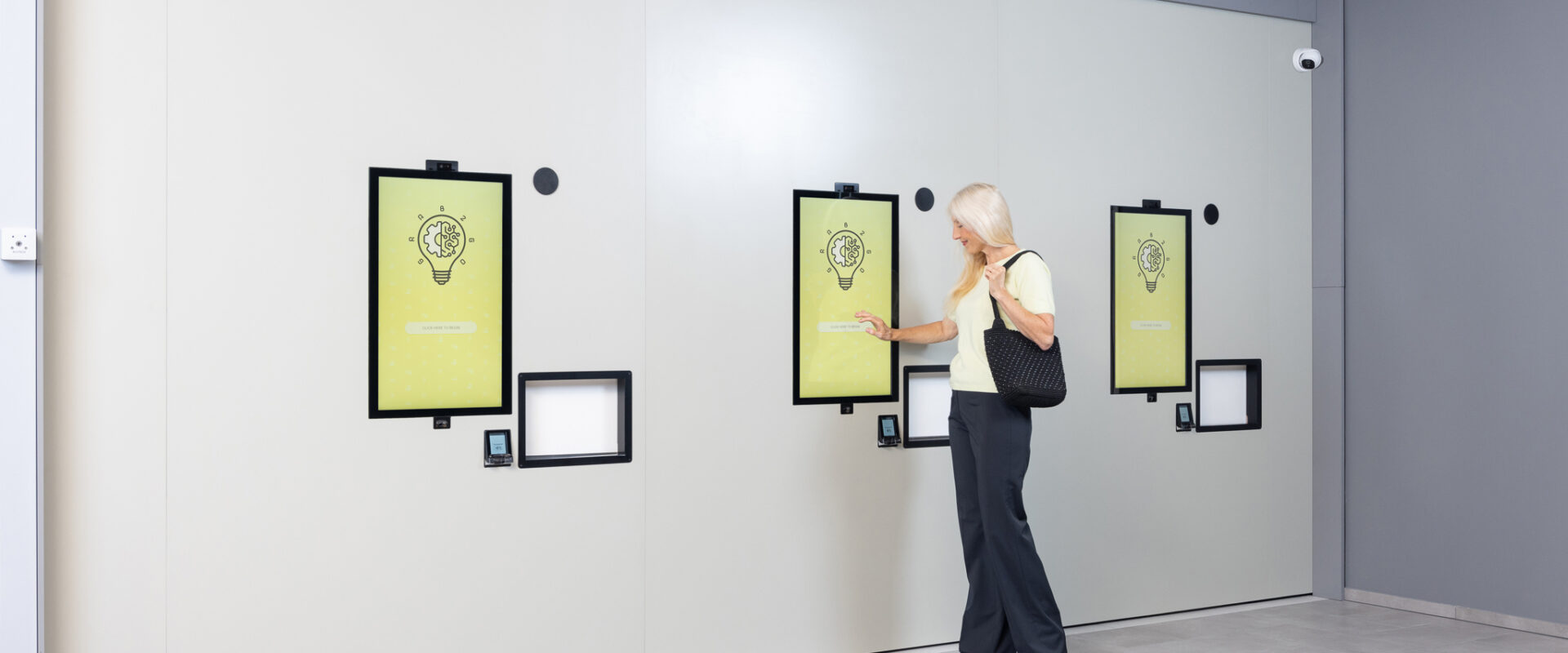
Accelerate Estonia is partnering with Grab2Go, a self-service pharmacy solution company. This innovative approach aims to provide an automated means to purchase medications while offering access to professional pharmacist advice through video consultations.
Grab2Go’s automated pharmacy could optimise resources by enabling a single pharmacist to assist patients from any corner of Estonia through video consultations. It also grants pharmacists more time for face-to-face consultations, allowing them to apply their expertise more effectively.
Impact
Accelerate Estonia and PwC conducted an impact analysis to assess the economic and societal effects of introducing self-service pharmacies to the market, as well as how this new solution fits into the existing landscape of pharmaceutical services. A summary of the impact analysis is available here in English, and the full report in Estonian can be accessed here.
The analysis revealed that over the next decade, a growing shortage of pharmacists and pharmaceutical technicians is expected – a challenge that the self-service pharmacy model could help address. Currently, the average age of a specialists is high: 53% of pharmacists and 43% of pharmaceutical technicians are over 50 years old, suggesting that a large number will retire within the coming years.
Self-service pharmacies also have the potential to reduce the burden on ambulance and ER services, as many nighttime visitors could find relief with simpler solutions from pharmacies.
Additionally, the use of self-service pharmacies could enable a more efficient allocation of pharmacist resources across Estonia, improving 24/7 access to medications throughout the country.
End goal
The goal of this project is to get automated pharmacies to the Estonian market, improving 24/7 accessibility of medications, and creating new export opportunities for Estonian health tech companies.
Important milestones of the project:
- At the end of 2025, Accelerate Estonia, together with the Ministry of Social Affairs, published a policy concept note to introduce amendments to the Medicinal Products Act to allow the self-service pharmacy solution to enter the market.
- The primary legislative change that will enable the solution to enter the market is that the self-service pharmacies will be defined as automated structural units of general pharmacies, allowing patients to purchase medicines via an automated robotic pharmacy. This will allow the pharmacy to offer their services without the physical presense of the pharmacist. At the same time, patients can be advised through video consultations.
- The legislative amendment has been drafted in cooperation with the Ministry of Social Affairs and the State Agency of Medicines, with the goal of bringing it into force at the beginning of 2027.